

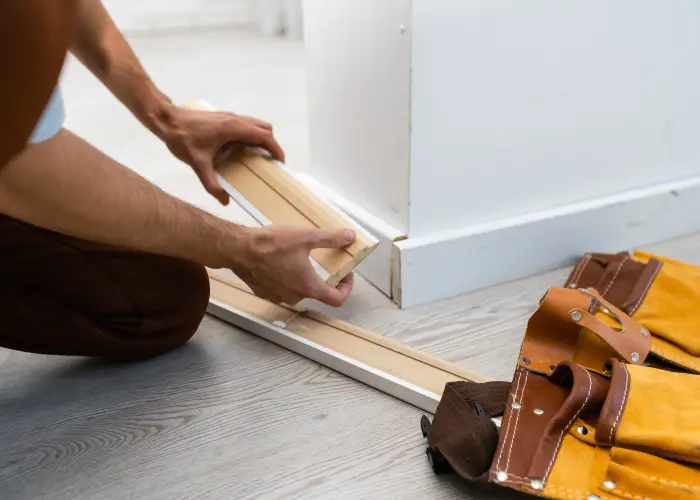
When you start to think about revamping your home, chances are that the last thing that will cross your mind is skirting boards. These modest lengths of trim can have a huge impact on how polished and completed a room looks. Whether it may be renovation work or building from scratch, the role played by the skirting boards will help you make better decisions.
What are Skirting Boards, and Why Do You Need Them?
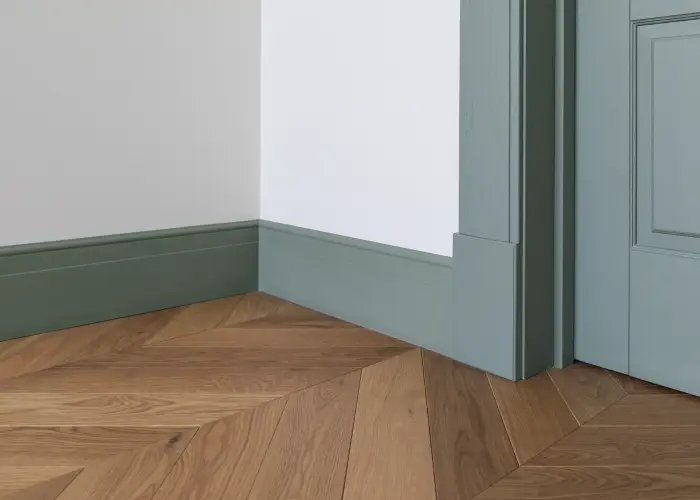
Skirting boards, otherwise known as baseboards, are strips along the bottom of your walls where they meet the floor. Their main job is to conceal the joint between the wall and the floor, covering any gaps and protecting the wall from knocks, scuffs, and dirt. However, they can do much more, as they can complete the look of a room by tucking everything in.
What Influences the Installation Cost of Skirting Boards?
Now, let’s talk money. It’s not just the boards that cost money, when installing skirting boards, some factors can bump up the overall installation cost.
- Room Size: The larger the room, the more skirting board you’ll need. Larger rooms will naturally drive up the cost, both in terms of materials and labour.
- Material: As we mentioned, different materials come at different prices. Wood is generally more expensive than MDF, while PVC may be cheaper or costly, depending on the quality. Cheaper materials do not necessarily mean good quality.
- The complexity of Installation: If your room is filled with corners, curved walls, or other oddities, it will take longer to install and lead to increased cost.
- Additional Services: Some installations require special services, like removing old skirting boards, painting, or taping around electrical outlets, all of these increase the price each.
Material Cost
The cost of skirting board materials in the UK can vary widely depending on the type of material chosen. MDF (Medium Density Fibreboard) skirting boards are among the most popular and affordable options, typically costing between £2 to £8 per metre. MDF is durable, easy to paint, and resistant to warping, making it a cost-effective choice for most homeowners.
For those looking for a more premium finish, solid wood skirting boards, such as oak or pine, tend to range from £7 to £20 per metre, depending on the wood quality. Oak, in particular, is known for its durability and aesthetic appeal but comes with a higher price tag.
Another option is PVC or plastic skirting boards, which are often used in more industrial or damp environments. They are typically priced between £5 and £15 per metre.
When budgeting for skirting boards, it’s essential to factor in not just the material cost but also additional elements like moulding style and finishing options, as more intricate designs can increase overall expenses.
 Labour Costs
Labour costs for installing skirting boards in the UK can vary based on factors such as the size of the room, the complexity of the installation, and the location of the property. On average, professional tradespeople charge between £120 and £300 per day for skirting board installation. For a standard-sized room, it generally takes one to two days to complete the job, depending on the intricacies of cutting and fitting the boards around corners, doorways, or irregular surfaces. Some professionals may also charge on a per-metre basis, with rates ranging from £5 to £15 per metre.
In more complex installations, such as fitting skirting boards in older homes with uneven walls or where additional preparation is required (like removing old boards or dealing with difficult angles), the labour cost could rise.
Additionally, labour rates tend to be higher in cities like London than in rural areas. It’s always advisable to get multiple quotes from local professionals to ensure competitive pricing.
While DIY installation can reduce labour costs, it requires skill and the right tools to achieve a professional finish.
Should You Hire a Pro or Go DIY?
There are two basic ways to install skirting boards: hiring professionals or doing it yourself. Each has its pros and cons.
- Hiring a Professional: Probably the biggest advantage here is peace of mind. A professional, such as MDF skirting mouldings will very likely do the job faster and with better results, especially if your room has tricky angles or uneven walls, however, it comes at a cost, and you’ll need to factor in labour charges.
- DIY Installation: If you are good with tools, then doing it yourself is one sure way of saving loads of money. You will be in complete control of the process, from the choice of materials to ensuring a perfect fit. However, it may be time-consuming, and the mistakes might end up costing you more in the long run.
Other costs to consider:
Removal of old skirting boards
When installing new skirting boards, the cost of removing and disposing of the old boards should also be considered. Removal costs can range from £50 to £150, depending on the amount of old skirting and the complexity of the removal process. If the existing skirting boards are glued or nailed in tightly, it may take more time and effort to remove them, which can increase the cost.
Disposal or rubbish removal may also incur additional charges. Some tradespeople include this service in their overall quote, but others may charge separately for waste disposal, typically around £30 to £70, depending on the volume of waste. In cases where the skirting materials contain hazardous elements like lead paint, specialised disposal methods may be required, which could raise the costs. Alternatively, homeowners can reduce expenses by handling waste removal themselves, either by taking the rubbish to a local recycling centre or hiring a skip, which can cost around £100 to £200 for smaller jobs.
Painting & Decorating Costs
Painting and decorating skirting boards is an additional cost to consider after installation, especially if you want a professional finish. The cost for painting skirting boards in the UK can vary depending on whether you choose to do it yourself or hire a decorator.
If you hire a professional decorator, the labour cost typically ranges from £15 to £25 per hour or £150 to £300 per day. For an average-sized room, painting skirting boards usually takes half a day to a full day, depending on the number of coats required and whether any preparation is needed, such as sanding or priming. On average, you can expect to pay between £100 and £250 for a decorator to paint the skirting boards in one room.
The cost of materials such as primer, paint, and brushes should also be factored in. For high-quality paint, expect to spend between £10 and £30 per litre, depending on the brand and finish (gloss, satin, or eggshell). If you’re doing it yourself, you can save on labour, but achieving a professional-level finish requires precision and patience.
Final Thoughts
Skirting boards may seem like a minor detail, but they are important to prevent wall damage and give a room the finishing touch. Knowing the room size, material, and complexity of installation costs can help you make a better decision about whether to hire someone to do it or do it yourself.