

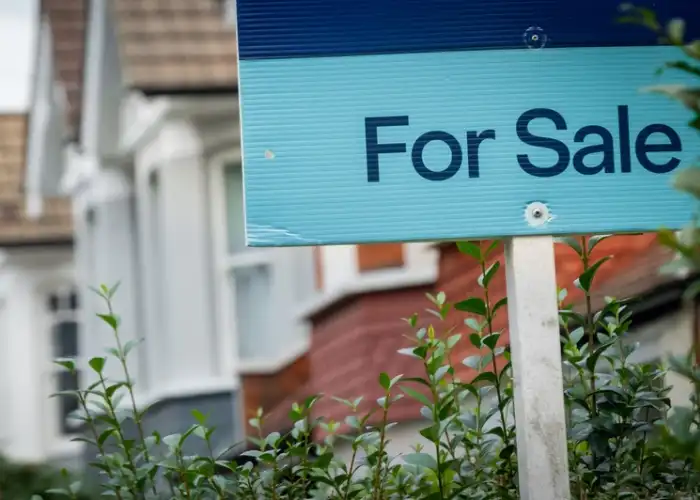
Adding value to your home before selling doesn’t require a full renovation. The most effective improvements tend to be targeted: fixing what buyers will notice, presenting the property at its best, and removing anything that gives a buyer grounds to negotiate down. Done well, pre-sale improvements can meaningfully increase your sale price and reduce the time your home sits on the market.
What You’ll Need Before You Start
Before you spend a penny, get clear on your position. The improvements worth making depend on your budget, your timeline, and the gap between your home’s current condition and what buyers in your area expect.
- A realistic sense of your home’s current market value, ideally from a registered valuer or by reviewing recent sold prices on HM Land Registry for comparable properties nearby
- An honest assessment of the property’s condition, room by room
- A clear budget, with a contingency of at least 10% for unexpected costs
- An understanding of your target buyer, a family, a professional couple, a downsizer, because their priorities differ
- Quotes from at least two tradespeople for any work you plan to commission
- Confirmation that any planned works won’t require planning permission or building regulations approval

Step 1: Start With a Deep Clean and Declutter
The single most cost-effective thing you can do as a seller is present a clean, uncluttered home. It costs almost nothing but changes how buyers experience the space.
Estate agents consistently rank decluttering and cleaning at the top of their pre-sale advice. A clean home reads as a well-maintained home. Buyers move through a tidy space more easily and are better able to picture their own belongings in it. Clutter, by contrast, makes rooms feel smaller and can distract buyers from the property’s actual features.
Work through every room methodically. Clear surfaces, remove excess furniture, and box up anything you won’t need before the move. Hire a professional cleaner for at least one thorough session before photographs are taken and viewings begin. Pay particular attention to kitchens and bathrooms, where grime is most noticeable and most off-putting.
- Book a professional deep clean before photography
- Clear lofts, garages, and outbuildings so buyers can assess storage properly
- Remove personal items: family photographs, collections, anything that dates the décor
- Dispose of or donate furniture that makes rooms feel cramped
- Clean windows inside and out
Step 2: Refresh the Décor
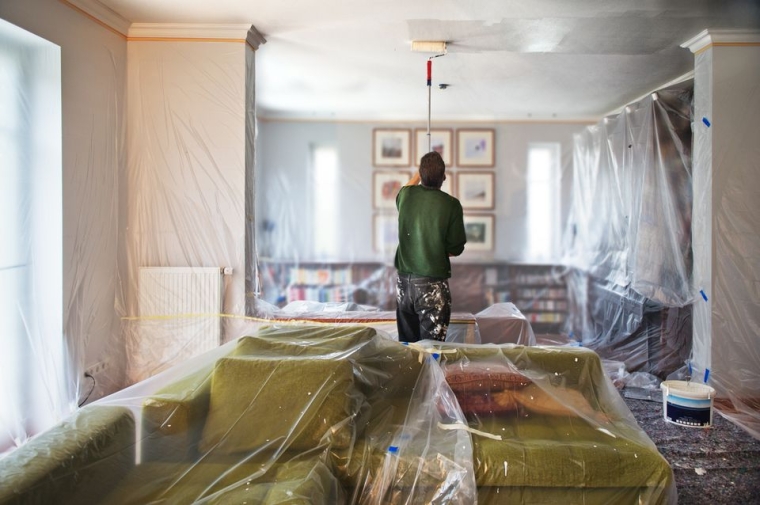
A fresh coat of paint is one of the cheapest and most reliable ways to make your home feel newer. Neutral colours are the safest choice: they appeal broadly, photograph well, and give buyers a blank canvas.
Redecorating is the most common pre-sale project sellers take on. It’s easy to see why. Scuffed walls, dated wallpaper, or heavily personalised colour schemes can put buyers off before they’ve assessed anything structural. A neutral repaint, particularly in living rooms, hallways, and bedrooms, removes that friction. You don’t need to repaint every room; focus on the ones that need it most.
Don’t overlook the detail work. Skirting boards, door frames, and window sills take a lot of wear and often look tired even when the walls are fine. A quick sand and repaint on woodwork can make a disproportionate difference to how finished a room feels.
- Use off-white or warm grey tones in living areas and bedrooms
- Repaint hallways, which are the first interior space buyers see
- Sand and repaint skirting boards, door frames, and window sills
- Replace any cracked or missing tiles in kitchens and bathrooms rather than repainting around them
- Fix any visible damp patches before decorating, and address the underlying cause
Step 3: Focus on the Kitchen
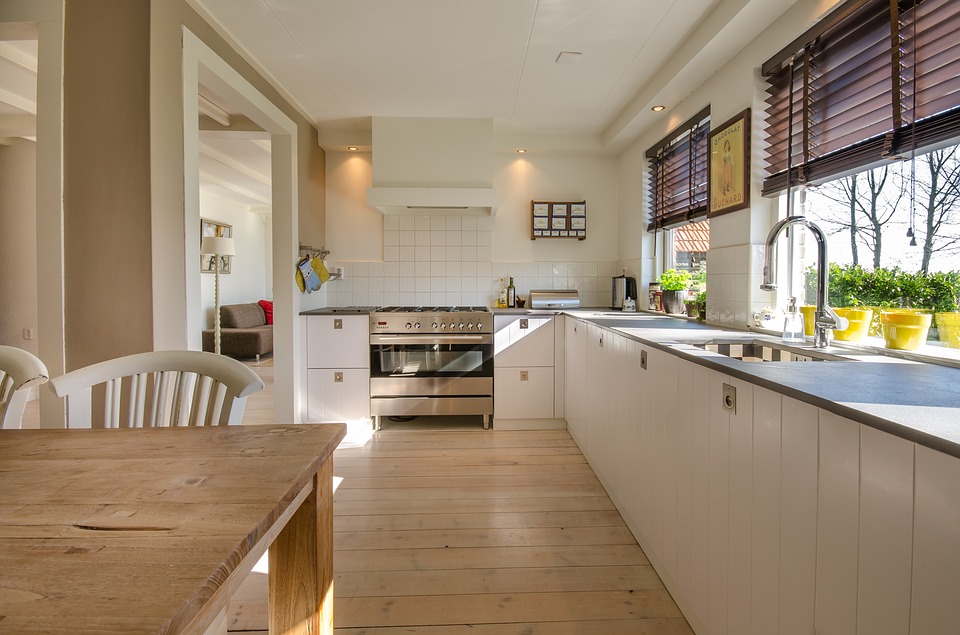
The kitchen is the room buyers scrutinise most closely, and it has the greatest influence on their overall impression of the property. A full kitchen replacement is rarely necessary or cost-effective before a sale, but targeted upgrades can deliver a strong return.
If your kitchen is structurally sound but looks dated, consider replacing cabinet doors and drawer fronts rather than the entire unit carcasses. New handles, a replacement worktop, and updated taps can transform the appearance of a kitchen at a fraction of the cost of a full refit. If appliances are old or mismatched, replacing them with a coordinated set improves the look considerably.
Getting your house ready to sell involves a lot of small decisions that compound, and the kitchen is where those decisions matter most. Buyers will open cupboards, check appliances, and look at worktops closely. Make sure what they find matches the overall impression you’re trying to create.
- Replace cabinet doors and drawer fronts if the carcasses are sound
- Fit new handles throughout for a cohesive look
- Replace a damaged or heavily stained worktop
- Update taps and the kitchen sink if they’re visibly dated
- Ensure all appliances are clean and in working order

Step 4: Update the Bathroom
Bathrooms don’t need to be luxurious to impress buyers, but they do need to be clean, functional, and free of obvious wear. A tired bathroom can drag down a buyer’s perception of the whole property.
Re-grouting tiles is a low-cost job that makes a significant visual difference. Old, discoloured grout is one of the first things buyers notice, and fresh white grout makes the same tiles look almost new. Replacing a cracked basin, a leaking tap, or a damaged toilet seat costs very little but removes obvious negatives from the buyer’s mental checklist.
If the suite itself is functional but dated, a professional re-enamel of the bath can be more cost-effective than replacement. New towel rails, a new mirror, and fresh silicone sealant around the bath and shower tray are small touches that collectively suggest a well-kept home.
- Re-grout tiles throughout the bathroom
- Replace silicone sealant around the bath, shower tray, and basin
- Fix any dripping taps or running cisterns
- Replace cracked or chipped sanitaryware
- Fit a new mirror and towel rail if the existing ones are dated
Step 5: Improve Your EPC Rating
Your EPC rating appears on your listing and is one of the first things buyers see. A low rating raises immediate questions about running costs, and for buyers using a mortgage, some lenders are beginning to factor energy efficiency into their lending decisions.
An Energy Performance Certificate rates your home from A to G, with A being the most efficient. Most UK homes sit in the D to E range. Moving up even one band can make your property more appealing and, in some markets, support a higher asking price. The improvements that deliver the most rating points tend to be loft insulation, cavity wall insulation, and upgrading to a more efficient boiler. Fitting a smart thermostat is a lower-cost option that can also contribute.
Check your current EPC on the government’s register before commissioning any work. The certificate will include a list of recommended improvements and the rating points each one would add. Use that as your starting point rather than guessing.
- Check your existing EPC on the gov.uk EPC register and review the recommended improvements
- Prioritise loft insulation if your current coverage is below the recommended depth
- Consider cavity wall insulation if your property has unfilled cavities
- Upgrade to a more efficient boiler if the existing one is over fifteen years old
- Fit a smart thermostat as a lower-cost option that buyers can see and understand
Step 6: Work on Kerb Appeal
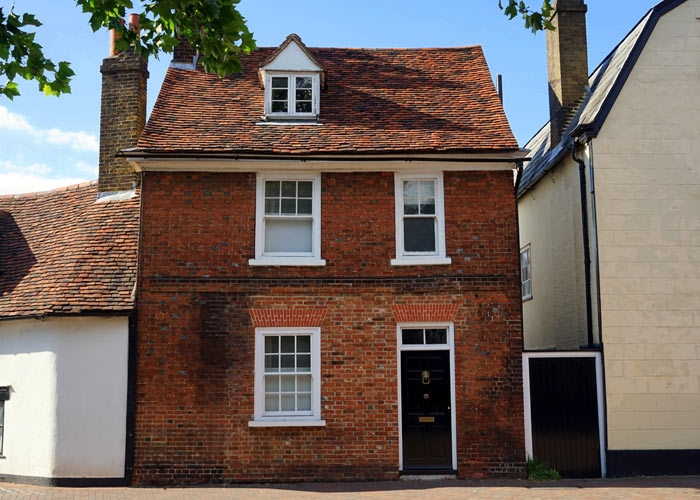
Buyers form their first impression before they’ve stepped inside, often before they’ve even got out of the car. According to RICS, improving a home’s kerb appeal can add up to 10% to its value. That’s a significant return on what are often modest costs.
Your front door is the focal point. If it’s in poor condition, repaint it or replace it. A new door handle, house number, and letterbox cost very little and sharpen the overall look. Clear the front garden of weeds, cut back any overgrown shrubs, and pressure-wash paths and driveways. If you have a lawn, keep it mown. Cracked render, damaged guttering, and missing roof tiles are the kinds of visible defects that stop buyers in their tracks, so fix them before the property goes to market.
Don’t underestimate how much a well-maintained exterior signals about the rest of the house. Buyers know that external maintenance is often the first thing to slip, so a tidy, well-kept front tells them something positive about the interior before they’ve seen it.
- Repaint or replace the front door
- Fit a new door handle, letterbox, and house number
- Pressure-wash paths, driveways, and patios
- Cut back overgrown shrubs and clear weeds from borders
- Fix cracked render, damaged guttering, and any missing roof tiles
- Ensure wheelie bins are stored out of sight for photography and viewings
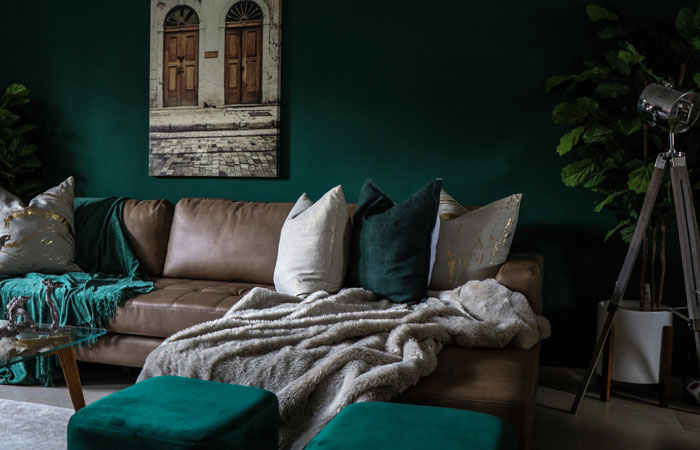
Step 7: Stage the Property for Viewings
Staging a house means presenting each room in a way that helps buyers understand its purpose and potential. It doesn’t mean furnishing a property from scratch; it means using what you have thoughtfully.
Consider how each room will read from the doorway, because that’s how buyers first see it. Furniture should be arranged to make the space feel open rather than crowded. Good lighting matters: replace any blown bulbs, open curtains fully, and add a lamp or two in darker corners. Fresh flowers or a bowl of fruit in the kitchen are small touches that make a space feel lived-in without being cluttered.
For selling your home quickly, professional photography is worth the investment. Most buyers see your property online first, and the quality of those photographs determines whether they book a viewing. Good staging and professional photography work together: one without the other leaves something on the table.
- Arrange furniture to maximise the sense of space in each room
- Replace all blown bulbs and ensure every room is well lit
- Open curtains and blinds fully for photography and viewings
- Add fresh flowers or plants to the kitchen and living areas
- Remove personal photographs and overly specific décor
- Commission professional photography once staging is complete
Common Mistakes to Avoid
- Over-improving for the street. Spending £30,000 on a kitchen in a road where comparable homes sell for £200,000 won’t return that cost. Match your improvements to the ceiling price of the area.
- Ignoring structural issues. Buyers and their surveyors will find damp, subsidence, and roof problems. Fixing cosmetics while leaving structural faults unresolved will cost you more at the negotiation stage than the repairs would have.
- Redecorating in bold or unusual colours. What you love may not be what your buyer wants. Neutral is boring for a reason: it works.
- Skipping the garden. Outdoor space is a significant selling point, particularly for family buyers. An overgrown or neglected garden actively reduces perceived value.
- Leaving repairs for the buyer. Dripping taps, sticking doors, broken handles, and cracked tiles are cheap to fix and disproportionately damaging to a buyer’s confidence. Deal with them before viewings start.
- Timing improvements poorly. Improvements done in haste, without proper drying time for paint or adequate curing for silicone, look worse than no improvement at all.
Summary Checklist
Use this as your pre-sale checklist before the property goes to market:
- Book a professional deep clean and declutter every room
- Repaint walls, skirting boards, and door frames in neutral tones
- Address the kitchen: update cabinet fronts, handles, worktops, and taps where needed
- Re-grout and re-seal the bathroom, and fix any dripping taps or damaged sanitaryware
- Check your EPC and carry out any high-impact, low-cost energy efficiency improvements
- Repair the front door, clear the front garden, and fix any visible exterior defects
- Stage each room for photography and viewings, prioritising space and light
- Commission professional photography before listing
- Fix all minor repairs: blown bulbs, sticking doors, dripping taps, cracked tiles
- Confirm all planned works are complete, dry, and finished before viewings begin
For a broader look at what buyers and their surveyors focus on, the factors that estate agents weigh when valuing a property give a useful sense of where improvements are most likely to move the needle.
Frequently Asked Questions
Kitchen and bathroom updates typically deliver the strongest return relative to cost, particularly when they involve cosmetic upgrades rather than full replacements. Improving kerb appeal and your EPC rating are also reliable ways to increase buyer interest and support your asking price.
It can, yes. A higher EPC rating reduces a buyer’s anticipated running costs, which makes your property more appealing, particularly as energy prices remain a concern for many households. Some mortgage lenders are also beginning to factor energy efficiency into their lending criteria, which can affect the pool of buyers able to purchase your home.
There’s no universal figure, but a useful rule of thumb is to spend no more than you can reasonably expect to recover in a higher sale price. Avoid over-improving relative to the ceiling price of your street, and focus on improvements that remove obvious negatives rather than adding premium features buyers haven’t asked for.
Yes, particularly when combined with professional photography. Most buyers see a property online before deciding whether to view it in person, so how the home is presented in photographs directly affects the number of viewings you receive. Staging doesn’t need to be expensive; rearranging furniture, improving lighting, and adding a few fresh touches can make a meaningful difference.
Most cosmetic improvements, such as redecorating, replacing kitchen units, and updating bathrooms, don’t require planning permission. However, structural changes, extensions, and some external alterations may need consent. Always check with your local planning authority before starting any work that changes the structure or external appearance of your home.