

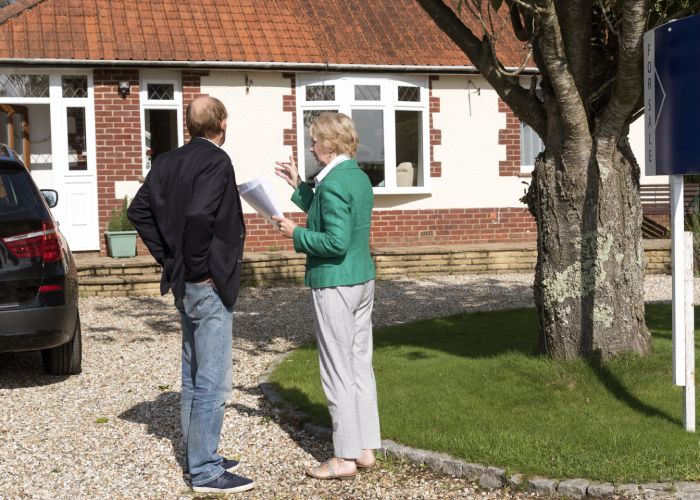
A good house viewing checklist stops you buying someone else’s problem. More than a quarter of property sales in the UK collapsed in a recent year because buyers pulled out after a survey turned up issues they hadn’t spotted during viewings. Go in with a clear list of what to check, ask the right questions, and you’ll be in a far stronger position before you make an offer.
Before You Even Step Through the Door
Preparation matters as much as the viewing itself. Buyers who turn up cold, relying on instinct alone, tend to miss the details that cost money later. Do your homework first.
- Check the property’s EPC rating on the government’s Energy Performance Certificate register before you go. A low rating means higher energy bills and potential retrofit costs.
- Look up previous sale prices via HM Land Registry and compare how long the current owners have lived there. A quick succession of owners can be a warning sign.
- Search the local area on major property portals to benchmark the asking price against similar properties nearby.
- Check the property’s flood risk on the GOV.UK flood risk tool. It takes under a minute and could save you from a very expensive mistake.
- Download the floorplan, print it out, and take it with you alongside a tape measure, a small torch, and a notepad.
A good rule of thumb: if you wouldn’t buy a car without checking it over, don’t consider buying a property without preparing at the same level.
How to Approach the Viewing Itself
How Many Times to View
One viewing is rarely enough. Aim for at least two or three visits, ideally at different times of day. Light, traffic, and surrounding noise levels shift considerably between a Tuesday morning and a Saturday afternoon. What feels quiet at 11am may sit beside a busy school run, a pub car park, or a main road that only fills up at rush hour.
On a second or third visit, you’re more likely to notice things you missed when the first impression was forming. The eye adjusts. The excitement settles. The crack above the bay window becomes visible.
Take a Second Pair of Eyes
Don’t go alone, at least not every time. Take someone whose judgement you trust, and ideally someone with a background in building, surveying, or even general DIY. They’ll look at different things to you, and they won’t be swayed by the kitchen worktops.
Stay Objective Around Estate Agents
Estate agents are skilled at managing viewings. Fresh flowers, good lighting, and the smell of coffee are deliberate choices, not coincidences. Play your cards close. If you’re genuinely interested, don’t signal it too obviously before you’ve had time to assess the property properly, and certainly before you’ve considered whether the asking price reflects its condition. If you’re planning to make an offer, understanding how to write a buyer offer letter comes later, but keep that next step in mind from the outset.
The Property Viewing Checklist: Room by Room
Unusual Smells and What They Signal
Walk in slowly and use your nose before your eyes. A musty smell in any room suggests damp, which affects around 5% of dwellings in England and is currently at a five-year high. Check corners, walls near the floor, and any area below a window.
Be sceptical of properties that smell strongly of air freshener, candles, or freshly brewed coffee. These aren’t signs of a welcoming home; they may be masking pet-stained carpet, mould, or persistent damp. Lift the edges of rugs if you can. Look at ceilings for brown staining. Check inside built-in wardrobes, where damp often hides undisturbed.
Walls, Ceilings, and Floors
- Look for cracks, particularly diagonal ones running from window or door corners, which can indicate structural movement.
- Check for fresh patches of plaster or paint that look newer than the surrounding surface. Sellers sometimes redecorate over problems rather than fixing them.
- Press gently on any skirting boards near external walls. Soft or spongy wood points to damp or rot.
- On upper floors, check whether the floor feels level underfoot. A noticeable bounce or slope warrants questions.
The Heating System and Boiler
Ask about the heating system early. Is it gas, electric, or oil? Are there radiators throughout, or storage heaters in some rooms? Storage heaters are less efficient and more expensive to run than a modern gas or heat pump system.
Find the boiler and check the manufacture date on its front panel. A boiler over twelve years old is likely approaching the end of its reliable life; budget between £2,500 and £3,500 for a replacement within a few years. Ask to see the service history and any Gas Safe certificates. If the seller can’t produce them, that tells you something.
Check whether the radiators are warm throughout the house during the viewing. Cold spots at the top of a radiator indicate trapped air or sludge, both of which are fixable but add to your costs.
Water Pressure and Plumbing
Turn on the taps, hot and cold, in every room. Run the shower if you can. Flush the toilet. Weak pressure is not just inconvenient; it can cause boiler problems and may indicate that the incoming supply pipe needs replacing, which is expensive.
- Brown or cloudy water from the taps suggests ageing or corroded pipes, potentially including lead pipework, which must be replaced.
- Slow draining in sinks or baths points to blockages or drainage problems. Ask when the drains were last inspected.
- Check under sinks for signs of previous leaks: water staining, warped cabinet bases, or mildew on the inside panels.
Windows and Glazing
Check every window. Double glazing with a misty or cloudy patch between the panes has failed: the sealed unit has broken down and needs replacing. Single glazed windows in older properties are not necessarily a problem, but factor in the cost of replacement if energy efficiency matters to you.
Ask whether the windows are double or triple glazed, and whether any replacements were done with building regulations approval. Unauthorised replacement windows in certain properties, particularly listed buildings or conservation areas, can create legal complications further down the line.
Drains and Gutters
Step outside and look up. Blocked or broken gutters are one of the most common causes of damp penetration in UK homes and one of the most overlooked things during a viewing. Look for:
- Gutters sagging, pulling away from the fascia, or showing signs of overflow staining on the brickwork below.
- Downpipes that discharge onto a flat roof or against a wall rather than into a drain.
- Moss or plant growth in gutters, which indicates they haven’t been cleared in some time.
Check the drain covers if you can. Lift one and look inside. A blocked or cracked drain is not a small job.
The Local Area
The property itself is only part of what you’re buying. Walk the street before and after the viewing, not just along the front path. Note the condition of neighbouring properties. A well-maintained street generally means owners who care about the area; a run of poorly maintained houses can affect your resale value.
Check transport links, schools, and amenities using the council’s website and local planning portal. Search for any planning applications nearby: a proposed development on adjacent land could change the outlook, the noise levels, or the character of the street. For buyers taking out a mortgage, your lender will want to know the property is worth what you’re paying; understanding what documents are needed when buying a house will help you prepare for that process.
Questions to Ask the Estate Agent
Don’t leave without getting answers to these:
- Why is the seller moving, and how long have they lived here?
- How long has the property been on the market, and have there been any previous offers that fell through?
- Is the seller in a chain? If so, how long is it?
- What’s included in the sale? Fixtures, fittings, white goods?
- When was the roof last replaced or inspected?
- Are there any known disputes with neighbours, or any issues with the boundaries?
- Has the property ever been subject to a compulsory purchase order, or are there any restrictive covenants on the title?
The answers, and the way they’re given, are informative. Hesitation or vagueness on straightforward questions deserves a follow-up.
Quick Reference: House Viewing Checklist
| Area | What to Check |
|---|---|
| Smells | Damp, mould, strong masking odours |
| Walls and ceilings | Cracks, fresh plaster patches, staining |
| Floors | Level, bounce, soft skirting boards |
| Boiler and heating | Age, service history, radiator performance |
| Water and plumbing | Pressure, pipe condition, slow drains |
| Windows | Failed double glazing, glazing approvals |
| Drains and gutters | Blockages, overflow staining, cracked pipes |
| Electrics | Fuse box age, number of sockets, visible wiring |
| Outside | Roof condition, pointing, boundary clarity |
| Local area | Transport, planning applications, neighbour properties |
Next Steps
Once you’ve worked through your checklist and a property passes scrutiny, the next stage is moving quickly and methodically. If you’re financing the purchase with a mortgage, it’s worth making sure you have the right broker behind you before you make an offer. Take a look at our guide to the best mortgage brokers for first-time buyers if you haven’t sorted your financing yet. A mortgage in principle, solid preparation, and a clear record of what you found during your viewings puts you in the strongest possible position when it’s time to negotiate.
Frequently Asked Questions
Most buyers should view a property at least two or three times before making an offer, ideally at different times of day. A single viewing rarely gives you enough time to spot potential issues or assess how the property feels under different conditions such as traffic, light, and noise levels.
On a first viewing, focus on the overall condition of the property: check for damp smells, cracks in walls or ceilings, the age of the boiler, water pressure, and the state of the windows and gutters. Note anything that seems recently repainted or patched over, as sellers sometimes redecorate to conceal problems rather than fix them.
Bring a tape measure, a small torch for checking dark spaces like loft hatches and outbuildings, a printout of the floorplan, and a copy of your viewing checklist. Taking a trusted second person with you is also advisable, particularly someone with a practical eye for building or structural issues.
Ask why the seller is moving, how long the property has been on the market, whether any previous sales fell through, and what is included in the sale. You should also ask about the age of the roof, the boiler service history, and whether there are any known neighbour disputes or boundary issues.
The most significant red flags include strong air freshener or candle smells masking damp or mould, diagonal cracks in walls suggesting structural movement, a boiler over twelve years old with no service history, low water pressure, failed double glazing, and staining on brickwork below gutters. Any of these warrants closer investigation before you proceed.