


In 2024, gardeners are navigating a swiftly evolving landscape. At the forefront is climate change, which unpredictably shifts the rhythms of weather and seasons. This not only tests the resilience of our plants but also compels us to reconsider when and what we grow.
Urbanisation further compacts the spaces traditionally used for gardening, propelling us towards inventive solutions such as balcony or rooftop gardens. However, the challenges are not insurmountable – technology is rising to assist us. Tools like smart watering systems and gardening apps are becoming indispensable, helping us better manage resources and ensure our plants thrive by offering customised advice tailored to our specific environmental conditions.
This blend of challenges and technological solutions is reshaping what it means to garden in 2024, making it an exhilarating, albeit demanding, time to engage with the earth.
Climate-Related Challenges
Extreme weather patterns, including unanticipated frosts and intense heat waves, pose significant risks to plant health and yield. Sudden frosts can damage or kill plants, particularly those that are not frost-tolerant, while prolonged periods of high heat can stress plants, inhibit their ability to photosynthesize efficiently and lead to water loss and sunburn.
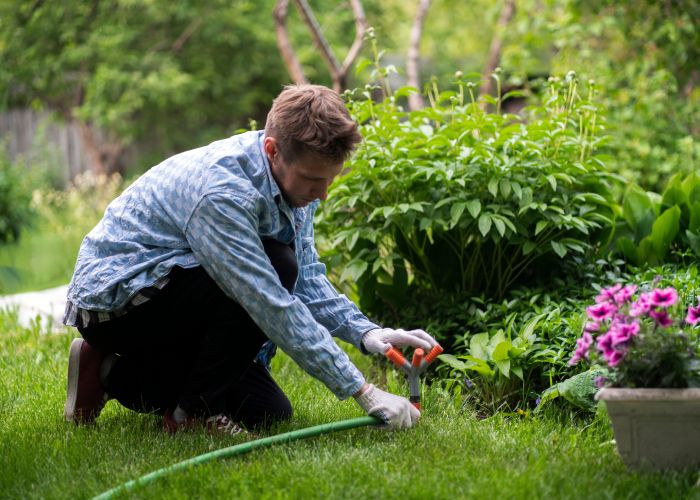
To mitigate these issues, managing water resources effectively becomes crucial. In regions prone to drought, adopting drought-resistant gardening practices is essential. This includes selecting plant varieties that require less water and are more resilient to heat stress.
According to the PI Gardening experts from London, efficient irrigation systems, such as drip irrigation, are also vital as they deliver water directly to the roots where it’s most needed, reducing waste and maximizing moisture availability. These systems can be particularly effective during heatwaves, ensuring that plants receive adequate hydration without excessive water loss to evaporation.
 Furthermore, mulching is an effective technique to conserve soil moisture. By covering the soil with organic materials like bark or straw, mulch helps retain water, keeps the soil cool, and reduces the growth of water-thirsty weeds.
Combining these strategies helps gardeners create more resilient gardens capable of withstanding the unpredictable climatic conditions that are becoming more common with climate change. These approaches improve plant survival and health and enhance water use efficiency, making gardening more sustainable in the face of environmental challenges.
Urban Gardening Challenges
High-rise living and compact urban landscapes demand creativity, pushing gardeners towards innovative vertical and container gardening solutions. These techniques allow for the efficient use of vertical spaces on balconies, along walls, or even rooftops, turning underused areas into lush, green retreats.
However, urban gardening isn’t without its hurdles. Pollution can damage plant health, stunting growth and diminishing the quality of the harvest. Moreover, the tall buildings that characterise urban skylines often result in limited natural light, posing a significant challenge for photosynthesis.
Gardening in such environments requires a careful selection of plants that can thrive in lower light conditions and a strategic layout to maximise light exposure. These constraints necessitate a thoughtful approach to urban gardening, where resourcefulness turns limitations into blooming opportunities.
 Pests and Disease Management
 Pests and Disease Management
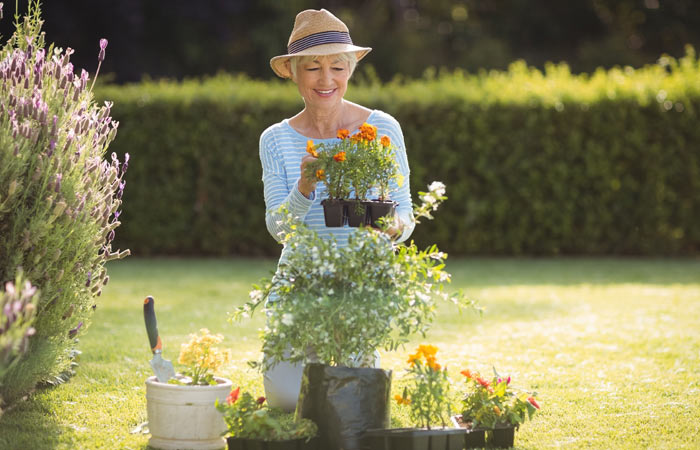
Common adversaries like aphids, slugs, and various fungal diseases will likely persist, affecting everything from backyard plots to balcony container gardens.
To combat these issues, it is crucial to choose plant varieties known for their resistance to diseases and pests. Such varieties can significantly reduce the need for chemical interventions, promoting a healthier and more sustainable garden environment.
Additionally, integrating natural pest control methods, such as encouraging beneficial insects that prey on harmful pests or using barriers and traps, can keep pest populations under control without harming the ecosystem.
Incorporating companion planting is another strategic approach; certain plants can naturally repel specific pests or improve plant health when grown together. Moreover, regular monitoring and early detection of problems allow for timely, targeted actions to prevent disease spread and minimize damage.
 Soil and Nutrient Management
 Soil and Nutrient Management
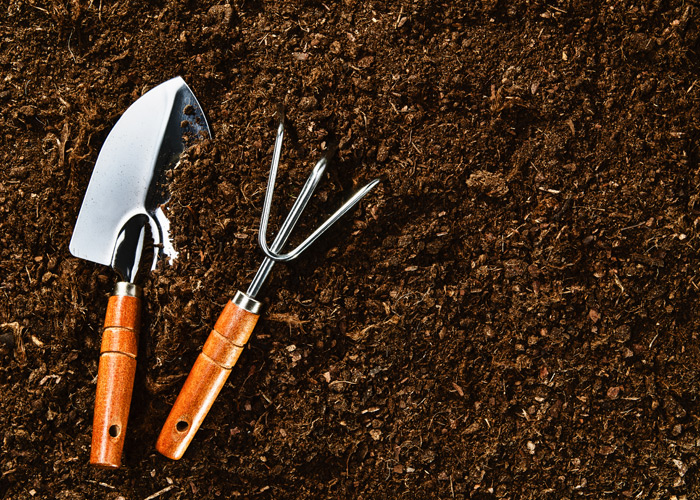
Addressing the foundational aspects of gardening starts with the soil—ensuring it’s in prime condition is crucial for healthy plant growth. Soil testing is a key step in this process, allowing gardeners to understand the specific needs of their garden soil. This analysis reveals nutrient deficiencies and pH imbalances that can hinder plant development. By identifying these issues, gardeners can make informed decisions about the amendments needed to optimize soil health.
Amending soil involves incorporating materials that improve its physical properties and fertility. Organic composting is an excellent method for enriching the soil. Adding well-rotted compost boosts the nutrient content and enhances soil structure, improving water retention and aeration. Natural fertilizers, such as bone meal or seaweed extracts, provide a slow-release source of nutrients that support plant growth over time.
For those new to composting, starting a compost bin is straightforward. Combine green waste, such as vegetable peelings, with brown materials like dried leaves, ensuring to turn the pile regularly to aid decomposition. This process results in a rich, organic compost that can significantly improve the quality of your garden soil.
Technological Advancements in Gardening
Technological advancements are increasingly shaping the way we approach gardening, making it more efficient and accessible. Innovations such as smart irrigation systems are at the forefront of this transformation. These systems utilize sensors and AI to precisely control the amount of water delivered to plants precisely, ensuring optimal hydration without wastage. This is particularly beneficial in areas facing water scarcity, as it maximizes the efficiency of every drop used.
AI-driven gardening aids are another leap forward. These tools analyze vast amounts of data, from soil conditions to weather patterns, to provide tailored advice for gardeners. These technologies can suggest preventive measures by predicting potential issues before they arise, ensuring plants remain healthy and vibrant.
According to the National Gardening Association, gardening apps and online resources are becoming invaluable for both novice and experienced gardeners. They offer instant access to a wealth of expert advice and tutorials that can be tailored to each garden’s specific conditions. These digital tools not only help identify plant species and diagnose plant diseases but also offer guidance on plant care, helping gardeners make informed decisions about their garden management practices.
These technological tools are not just about solving problems – they’re about enhancing the gardening experience, making it more productive and enjoyable for everyone involved. They represent a significant step towards more sustainable and intelligent gardening practices.
Conclusion
As we’ve explored, 2024 brings a blend of old and new challenges to the gardening world. From the unpredictability of climate impacts and urban settings’ spatial limitations to the threats of pests and diseases, gardeners must remain adaptable. Yet, it’s not just about facing challenges, it’s also about embracing opportunities.
Integrating advanced technologies such as smart irrigation systems and AI-driven gardening aids offers powerful tools to enhance traditional gardening practices. I encourage all gardeners to blend these modern innovations with time-tested methods.