


The value of a home isn’t solely based on its size or location. It’s the thoughtful additions, overall aesthetics, and functional enhancements that really add value to a home.
This is where built-in wardrobes come in — not only are they a practical and space-saving storage solution, but they also add a touch of style and elegance to the architecture of the home.
What Defines Built-In Wardrobes?
Built-in wardrobes, unlike freestanding wardrobes, are custom-designed fixtures integrated into the structure of the room. Units are tailored to fit into the available space, utilising every nook and cranny to optimise storage without compromising the visual appeal of the room.
There are many different types of built-in wardrobes, including walk-in wardrobes, reach-in wardrobes, sliding door wardrobes, and fitted systems. The styles range from minimalist design to intricate, customised options, catering to a range of different personal preferences.
Using The Space Available
Built-in wardrobes aren’t just storage; they revolutionise how space is used at home.
Here’s how:
Built-in wardrobes make use of the space available, seamlessly fitting into rooms to optimise every available inch without encroaching on floor space.
Customised designs allow tailored organisation, ensuring efficient storage for clothes, accessories, and belongings. These wardrobes efficiently organise items, utilising vertical space to prevent clutter without overwhelming the room.
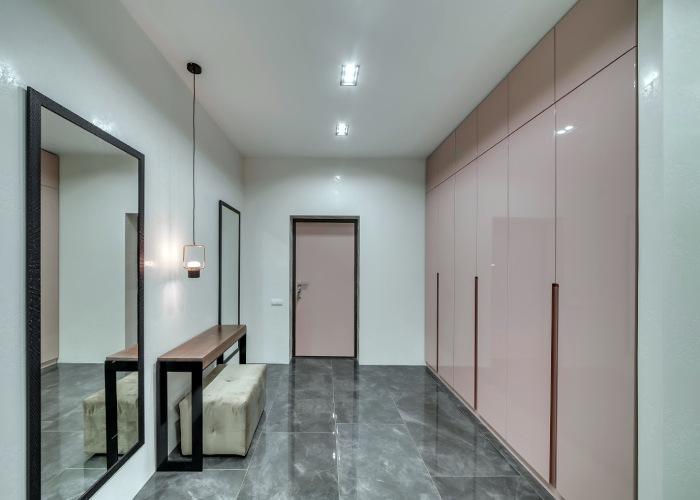
Beyond practicality, built-in wardrobes integrate with the room design, contributing to the overall aesthetic. They can be designed to harmonise with interior decor, enhancing visual appeal whilst serving a practical purpose. Their transformative impact even has the power to increase property value.

Increasing Property Value
Built-in wardrobes aren’t just about tidiness; they actually add significant value to your home. Studies show that properties with built-in storage solutions sell at higher prices and tend to attract more buyers. Real estate experts emphasise that these wardrobes enhance a home’s appeal by showcasing organisation and maximising space, influencing buyers’ perceptions positively.
Compared to homes without such features, properties with built-in wardrobes are often viewed as more functional, attractive, and move-in-ready. Their impact on property value extends beyond aesthetics, demonstrating an investment in practicality and efficiency, which resonates with potential buyers seeking convenience and a well-organised living space.
Practical Considerations
Built-in wardrobes can be a valuable addition to your home, but understanding the costs and practical aspects is crucial.
Cost Considerations
Installing built-in wardrobes involves expenses beyond just purchasing the unit itself. Custom designs and professional installation can incur higher costs compared to pre-made or DIY options. It’s essential to budget for materials, labour, and any customisation you desire.
Maintenance and Durability
These wardrobes generally require minimal maintenance, but you should carefully consider the quality of materials used. Higher-quality installations often mean better durability, reducing the need for frequent repairs or replacements. Regular cleaning and simple upkeep, like oiling hinges or checking sliding mechanisms, can extend their lifespan.
Choosing the Right Fit
Assess your needs and space constraints before investing. Consider the room’s layout, available space, and your storage requirements. Professional guidance might help in choosing the right design and features that match your lifestyle while optimising space effectively.
DIY vs. Professional Installation
While DIY options might seem cost-effective, professional installation ensures precise fitting and quality workmanship. It’s important to weigh the cost savings against potential errors or misfits that could arise from self-installation.
Finding Built-In Wardrobes Fitters
When you’re looking for professionals to install fitted wardrobes in London and other parts of the UK, there are a few things to take into account. It’s crucial you hire a reputable company, so start by asking acquaintances, scouring online reviews, and checking out portfolios.
On top of this, craftsmanship matters. Seek out fitters who use quality materials and precision work. Certifications or affiliations with professional associations often indicate a commitment to maintaining high standards.