

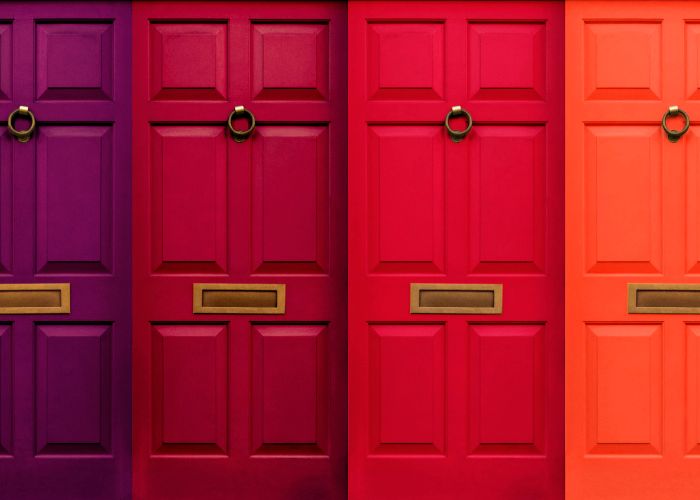
When choosing the best door for your home, you need to consider plenty of things.
From the style to the material used, the durability, and, of course, the price. You need to weigh all of this before making the decision.
To help you out, here are 7 door types to consider:
Wooden doors
Wooden doors give your property a timeless appearance and improve the aesthetic appeal. The downside is that for them to last for a long time, they need to be pre-treated, which comes at an additional cost.
They are also slightly more high-maintenance, and you need to be more cautious when handling them, especially when they are external doors, which can crack, collect water, and eventually decay.
For the perfect experience with wooden doors, get custom-made, solid hardwood doors that will elevate your home’s aesthetic.
When done right, a solid hardwood door will endure for many years, but as previously stated, you must be ready to maintain it to protect your investment. You should be ready to reapply paint or varnish when the colour fades or peels away.
 Composite doors
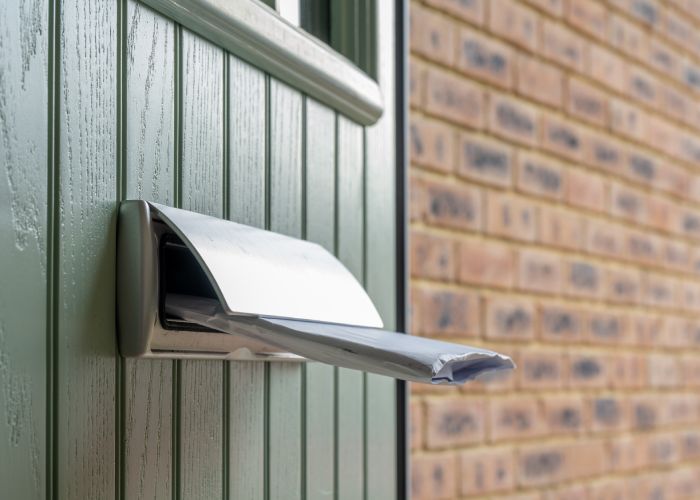 Composite doors
Composite front doors came to the market a few years ago with the goal of allowing homeowners to preserve the appearance of a timber door while benefiting from modern materials that require less maintenance and work harder to keep out drafts.
Composite doors are now popular, with sales nearly doubling each year.
If you are considering buying the doors, you should note that doors, usually 44mm thick, are the most thermally efficient. The downside is that they are not the most secure.
To increase your doors’ security, go for reinforced, high-quality ones.
The doors are also scratch-prone because paint is typically put on a white fibreglass surface. Be wary of requesting door manufacturers to match any RAL hue, as the colour applied in this manner is highly prone to scratches.
uPVC doors
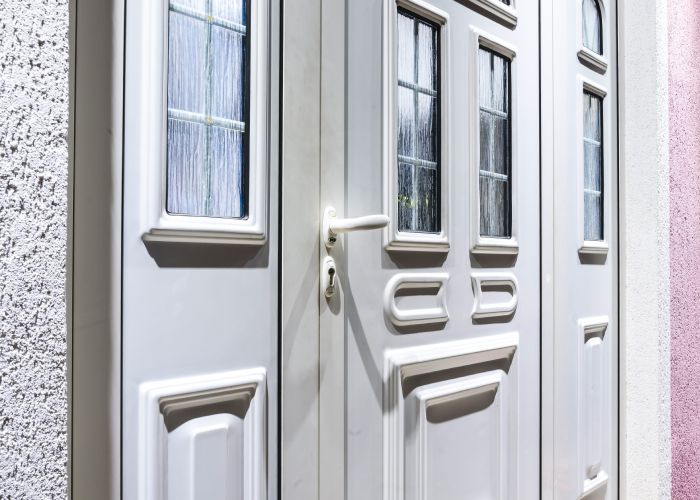 uPVC doors
uPVC is a type of plastic, however, it is created entirely from recyclable components.
You can paint uPVC with caution, but there is usually no need because these door types are available in a variety of finishes and are typically reasonably priced.
These make them perfect for quick door replacements. They are water-resistant but less durable than wood.
When uPVC front doors were initially launched, they were a welcome alternative to traditional timber front doors, costing less and providing better thermal performance. However, not everyone loves the aesthetics of uPVC, and the range of styles and colours may be limited.
Many people are usually confused about buying uPVC or composite doors. If you are one of these people, here is a resource you can use to make your decision. You can research more and compare them there.
Veneered timber doors
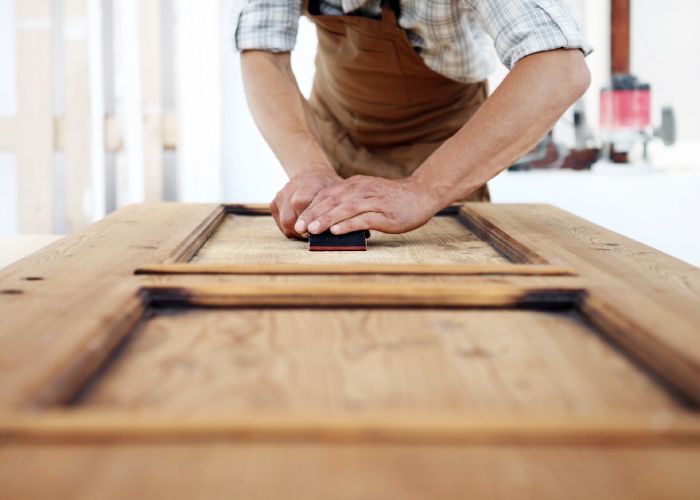 Veneered timber doors
You can find a nice-looking veneered timber door from large DIY merchants, but you will need to paint or varnish it yourself. You can then proceed to hang your own front door.
The disadvantages of this type of door are that you need to maintain it with annual sanding and re-painting or varnishing; you will need some high-quality locks to ensure it is as secure as possible; and, to keep out cold weather in winter, you may want to invest in a draught excluder because timber doors are not known for their thermal performance.
Timber doors are also subject to changing weather conditions, so you may notice a timber door sticking in the frame at different periods of the year.
The cool thing is that when done right, the door greatly appeals to your property.
Glass doors
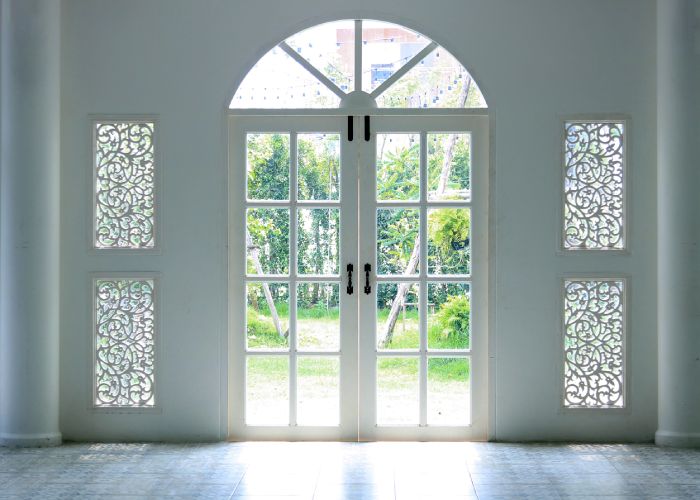 Glass doors
Glass doors are among the most elegant types of doors available. Because they provide unimpeded views, they are best suited for seclusion at the back of the home. They are easy to clean and maintain, and double-glazed models will be soundproof.
Glass panes are frequently put in a wooden frame and are more expensive. If you use internal glass doors, they will help make your area appear larger.
For a great experience, ensure they are installed by experienced professionals who will properly install them and ensure they are safe.
Metal doors
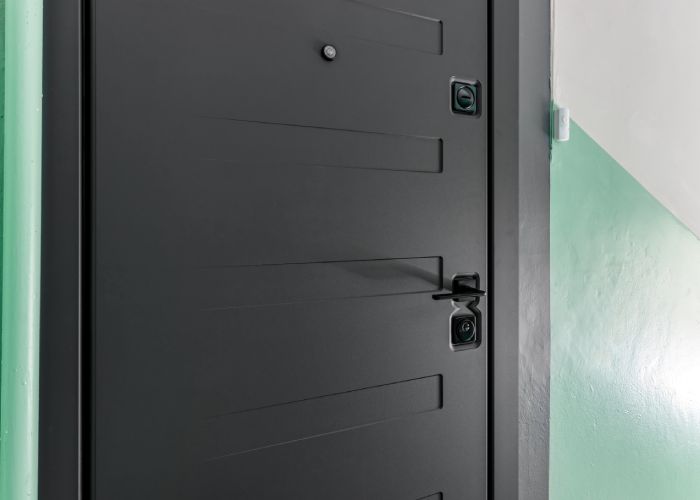 Metal doors
Steel, aluminium, or other forms of metal doors will provide a stylish touch to your property. If entirely metal, the door will be one of the most functional external units due to its high weather resistance.
The disadvantages of full metal doors are their weight and tendency to rust over time. You can avoid this with a decent protective coating and proper maintenance.
When placed on the back of a home, a metal frame with glazing in between creates a lovely finish.
Hollow core doors
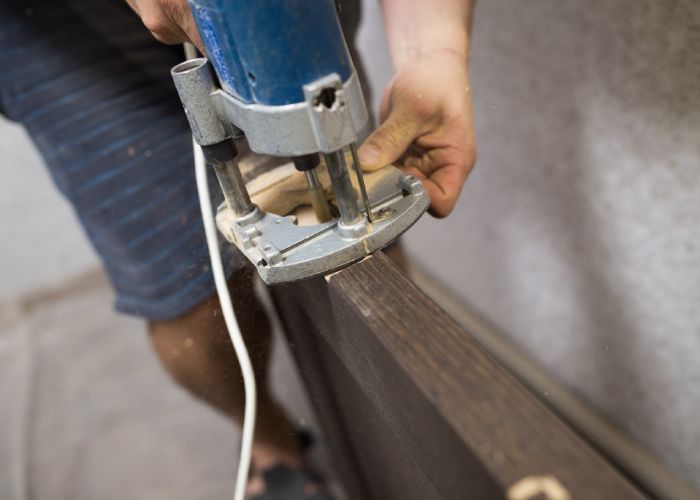 Hollow core doors
If you want an inexpensive interior door, choosing hollow core over slab doors will allow you to enjoy all of the elegance and functionality of a door without paying the full price.
They are usually constructed from composite wood with a solid centre. Good quality and properly installed hollow doors will remain sturdy and resistant to warping or cracking for a long time.
Parting shot
Doors have historically been made of wood, but current designs incorporate composite materials and less expensive, more lasting alternatives, such as uPVC. Due to this, you have plenty of options to consider. Which one do you go with?
It’s a question of horses for courses. uPVC doors are thermally efficient and secure and can be double or triple-glazed, but they are limited in look.
Composite doors offer the appearance of wood but require less care. They are now the fastest expanding market for entrance doors.
If you are looking for a traditional-styled door, you can’t go wrong with a timber door. The downside is that they are a natural material and require a little more TLC.
There is no right or wrong door to go with. It’s up to you to weigh the pros and cons of each and choose the one that gives you the best balance.
Regardless of the door you settle on, ensure that it’s professionally installed.