

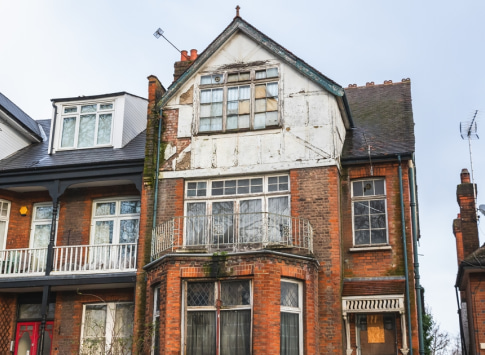
Abandoned properties often spark curiosity and excitement among potential buyers, the question ‘How Do I Buy An Abandoned Property?’ is a very common one due to this. These neglected structures, sometimes hidden in plain sight, can offer unique investment opportunities for those willing to take on the challenge.
Whether you’re a first-time buyer looking for an affordable entry into the property market or an experienced investor seeking a profitable project, buying an abandoned property in the UK can be a rewarding venture. However, it’s crucial to approach this process with caution and thorough research. Let’s explore the ins and outs of purchasing an abandoned property in the UK.
Understanding Abandoned Properties
An abandoned property is typically a building that has been left unoccupied for an extended period, often falling into disrepair. These properties may become abandoned due to various reasons, such as financial difficulties, legal complications, or the death of the owner without clear inheritance plans.
In the UK, abandoned houses and derelict properties can be found in both urban and rural areas, each presenting its own set of challenges and opportunities.
Why Consider Buying an Abandoned Property?
There are several compelling reasons to consider purchasing an abandoned property:
- Lower purchase prices: Abandoned properties often sell for less than their market value, providing an affordable entry point for buyers.
- Customisation potential: These properties offer a blank canvas for renovation, allowing buyers to create their dream home or investment property.
- High return on investment: With strategic improvements, abandoned properties can significantly increase in value, potentially yielding substantial profits.
Contribution to community revitalisation: By restoring an abandoned property, buyers can play a part in improving neighbourhoods and local communities.
How to Find Abandoned Properties
Finding abandoned properties requires a combination of research, legwork, and networking. Here are some effective methods:
- Physical scouting: Drive or walk through areas of interest, looking for signs of neglect such as overgrown gardens, boarded-up windows, or accumulated post.
- Public records: Utilise the HM Land Registry website to search for properties without registered owners or those with unpaid taxes.
- Local auctions: Attend property auctions where abandoned or foreclosed properties are often sold.
- Community resources: Check local bulletin boards, speak with neighbours, or consult estate agents who may know of abandoned properties in the area.
- Online resources: Explore websites dedicated to listing empty properties or derelict buildings for sale.
Legal Considerations
Navigating the legal landscape is crucial when wondering ‘How Do I Buy An Abandoned Property?’ in the UK. Here are some key points to consider:
- Adverse possession: While it’s possible to claim ownership of an abandoned property through adverse possession, this process is complex and requires occupying the property for at least 10 to 12 years.
- Title search: Conduct a thorough title search to ensure there are no outstanding mortgages, liens, or other legal issues associated with the property.
- Planning permission: Check with local authorities about any restrictions or required permissions for renovating or changing the use of the property.
- Ownership verification: Confirm the true ownership of the property, as some abandoned houses may still have legal owners.
It’s highly recommended to seek professional advice from a solicitor experienced in property law to navigate these legal complexities.
Financing an Abandoned Property
Securing financing for an abandoned property can be challenging, as many lenders view these investments as high-risk. Here are some options to consider:
- Cash purchase: If possible, buying outright with cash can simplify the process and potentially lead to better deals.
- Specialist lenders: Some lenders specialise in financing non-standard properties, including abandoned or derelict buildings.
- Bridging loans: These short-term loans can help finance the purchase and initial renovation costs until a standard mortgage can be obtained.
- Renovation mortgages: Some lenders offer mortgages specifically designed for properties requiring significant renovation.
- Government schemes: Research any available government incentives or grants for restoring abandoned properties in your area.
Ensure you have a solid financial plan in place, accounting for both the purchase price and estimated renovation costs.
Inspecting the Property
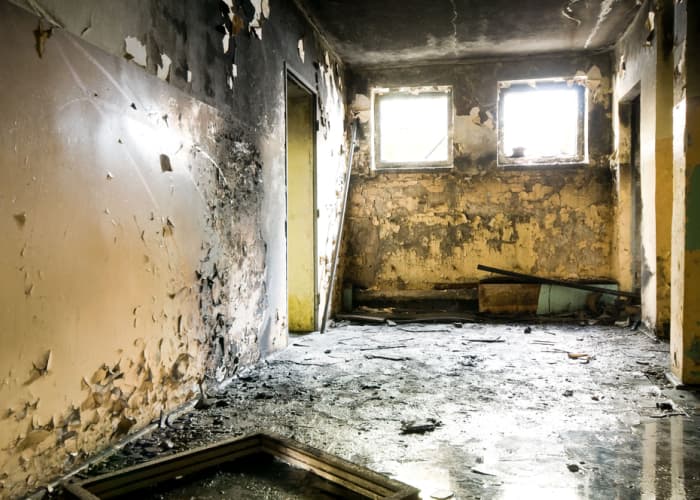
A comprehensive property survey is essential when considering an abandoned house or derelict property. Key areas to inspect include:
- Structural integrity: Look for signs of subsidence, mould, damp, or other structural issues.
- Electrical and plumbing systems: These often require complete overhaul in long-abandoned properties.
- Roof condition: Check for leaks or damage that could lead to further deterioration.
- Presence of hazardous materials: Be aware of potential health hazards like asbestos or lead paint.
- Foundation issues: Assess the state of the property’s foundation, as this can be costly to repair.
Consider hiring a professional surveyor to provide a detailed report on the property’s condition.
Renovation and Restoration
Renovating an abandoned property can be an exciting but challenging process. Here are some tips to keep in mind:
- Create a detailed budget: Account for all potential costs, including materials, labour, and unexpected issues.
- Develop a realistic timeline: Renovation projects often take longer than anticipated, especially with older properties.
- Obtain necessary permits: Ensure all renovation work complies with local building regulations and planning permissions.
- Work with experienced contractors: Choose professionals familiar with restoring older or abandoned properties.
- Preserve character: If the property has historical value, consider maintaining original features where possible.
- Focus on key improvements: Prioritise renovations that will add the most value, such as updating kitchens and bathrooms.
Common Pitfalls to Avoid
When navigating the question ‘How Do I Buy An Abandoned Property’ be wary of these common mistakes:
- Underestimating renovation costs: Always budget for unexpected expenses and overruns.
- Ignoring legal complications: Ensure all legal issues are resolved before proceeding with the purchase.
- Neglecting due diligence: Thoroughly research the property’s history and potential challenges.
- Overlooking local market conditions: Consider the property’s location and potential for appreciation.
- Failing to secure proper insurance: Abandoned properties may require specialist insurance coverage.
Case Study: The Old Schoolhouse
Consider the case of Sarah and Tom, who purchased an abandoned Victorian schoolhouse in rural Yorkshire. The property had been empty for over a decade and required extensive renovation. They faced challenges with obtaining planning permission for change of use but ultimately succeeded in converting the space into a unique family home.
By preserving original features like high ceilings and large windows, they created a property that blended historical charm with modern comfort. Their project not only provided them with a dream home but also significantly increased the property’s value.
Conclusion
So How Do I Buy An Abandoned Property in the UK? Buying an abandoned property in the UK can be a rewarding venture, offering the potential for significant returns and the satisfaction of breathing new life into a neglected building. However, it’s crucial to approach this process with careful planning, thorough research, and realistic expectations. From navigating legal complexities to managing renovation challenges, each step requires diligence and often expert guidance.
Remember to consider your personal investment goals and risk tolerance when evaluating an abandoned property purchase. While these properties can offer unique opportunities, they also come with inherent risks and challenges. By conducting thorough due diligence, seeking professional advice, and being prepared for the unexpected, you can turn an abandoned house into a valuable asset or a cherished home.
Whether you’re looking to climb the property ladder, start an investment portfolio, or simply find a unique place to call home, buying an abandoned property could be your gateway to achieving these goals. With the right approach and a bit of patience, you might just uncover a hidden gem in the UK’s property market.