

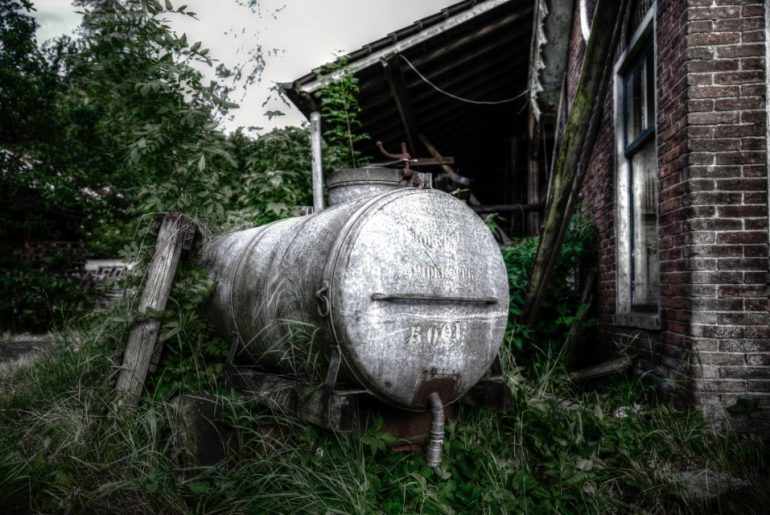
Septic tanks are common in rural areas. They’re also becoming common in homes in suburban areas since the city has expanded to surround many historic homes. Here’s what you need to know before selling a house with a septic tank.
The Right Terminology to Use
You need to know the terms related to septic tanks so that you use the right ones when describing the system. For example, cesspits or cesspools collect wastewater from the home. The pit or pool simply holds it until the waste is collected and disposed of properly. This can still be found on older properties. Septic tanks are the most popular private drainage system. They collect the waste and let the liquids seep into the soil. This is more hygienic than cesspools and lacks their smell. The septic tank has to be emptied periodically, and they typically have to be replaced after a few decades of use. Private sewage treatment plants clean the wastewater so it can be safely released. This is rare unless you’re dealing with a large farm or industrial site.
The Technical Specifications
Know the hard numbers related to the septic tank. Is it registered with the British government? If so, when? How old is it? What is its capacity? When was it last pumped? When was it last replaced?
The New Regulations Involved
Any new septic tank must meet stringent environmental regulations as of January 1, 2020. However, new, strict rules also apply to existing septic tanks. For example, it cannot ever discharge into surface water. Furthermore, you can be fined if it is discovered your current septic tank does so, even if you didn’t know about this. This means that if you are selling a house with a septic tank, you need to have the drainage inspected. And potential home buyers probably want to have the drainage surveyed, as well.
The Requirement to Put It All in Writing
All of the information about the septic tank must be provided to buyers in writing. You have to tell them that you have one, where it is located, and the maintenance that is required. This includes a full description of the system, any changes you made to it, ongoing costs to maintain it, and any work that needs to be done. You must be honest about its condition. If the septic tank doesn’t meet government standards, you’re legally obligated to make the necessary repairs. Expect to provide proof that this was done to the home buyer. That is in addition to maintenance records of work already done, such as the last time it was pumped out.
The Related Legal Records
Your septic tank may not be your septic tank. It might belong to a third party that provides access to it, whether it is a condition of renting the cottage or favor to local residents. Know who has legal ownership and responsibility for the septic tank. Know if there are any third party land easements or wayleaves. Don’t sell a house as having a septic tank if it reverts to the original landowner when you sell the property.