

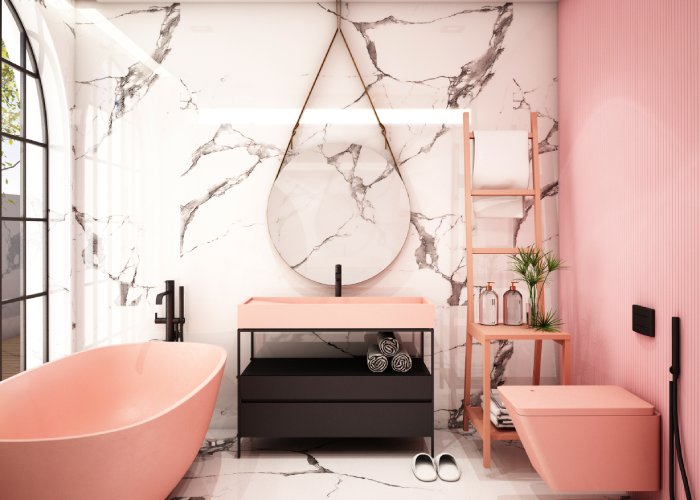
How Do Bathroom Modules Boost Sustainability and Cut Waste?
Bathroom modules significantly contribute to sustainability by minimizing construction waste and optimizing resource utilization. These prefabricated units are manufactured in a controlled environment, allowing precise material measurement and reducing excess consumption. I’ve seen firsthand how traditional on-site construction often leads to discarded surplus materials, whereas modular production ensures components are used efficiently, lowering overall waste levels.
It’s not just about less waste, though. According to a report by the U.S. Environmental Protection Agency (EPA), construction and demolition debris accounted for more than 600 million tons in 2018, highlighting the urgency of waste reduction in construction. Prefabrication significantly reduces this figure.
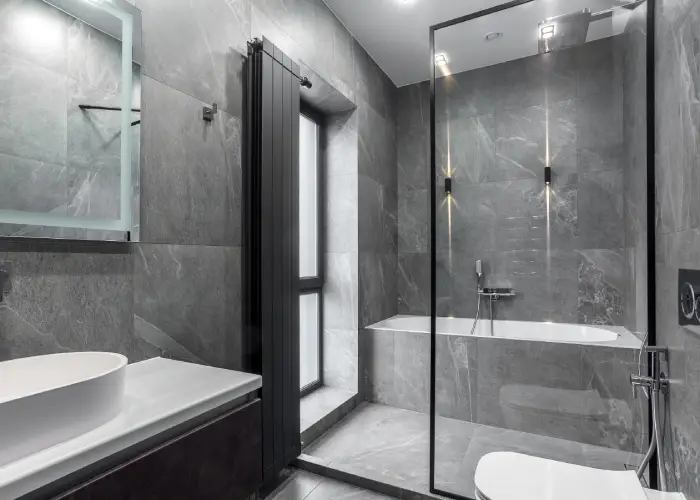 The integration of energy-efficient fixtures and water-saving systems within bathroom modules also supports environmental conservation. Many modular units incorporate low-flow toilets, sensor-activated faucets, and LED lighting, all of which drastically reduce water and energy consumption. By streamlining assembly and using sustainable materials, such as recycled steel frames and eco-friendly wall panels, bathroom modules help decrease the carbon footprint of construction projects.
Plus, prefabrication limits on-site disturbances, cutting down on noise pollution and emissions from heavy machinery, aligning perfectly with sustainable building practices. Furthermore, producing modules in a controlled factory environment minimizes noise and dust pollution compared to traditional construction sites. This is a significant advantage, especially in urban areas with strict environmental regulations.
When you consider the long-term benefits, the recyclability of modular components ensures that materials can be repurposed or reused, further extending their lifecycle. As a result, bathroom modules offer a viable solution for improving efficiency in construction while promoting eco-conscious building methods. It’s a win-win for developers and the environment. The modular design also allows for easy disassembly and material recovery at the end of the building’s life, further contributing to a circular economy. This adaptability ensures that resources are used responsibly and sustainably over the long term.
Moreover, bathroom modules contribute to a significant long-term reduction in the carbon footprint by using eco-friendly materials and reducing transportation needs. Components can be reused or recycled, and the optimization of material use minimizes waste. These factors collectively make modular construction a powerful tool for environmentally responsible building.
 Choosing the Right Bathroom Module for Your Project: A Practical Guide
 Choosing the Right Bathroom Module for Your Project: A Practical Guide
Selecting the right bathroom module requires careful consideration of several key factors to ensure it aligns with your project’s functional needs and structural requirements. In my experience, the first step is always assessing the available space and defining the necessary features, such as plumbing connections, ventilation, and accessibility compliance. Modular units come in various sizes and configurations, so it’s essential to choose a design that optimizes space efficiency while maintaining comfort.
When evaluating materials, consider durability, water resistance, and ease of maintenance. Many prefabricated bathroom modules incorporate high-quality materials such as composite panels, reinforced concrete, or steel frameworks, ensuring longevity and structural integrity. Don’t overlook design aesthetics, either—modular solutions offer flexibility in finishes, allowing customization to match the overall architectural vision. I’ve worked on projects where we perfectly matched the module’s interior to the overall design theme.
Another critical factor is installation time and integration with existing construction phases. Because these modules are preassembled off-site, coordinating delivery schedules and installation logistics is crucial for a seamless workflow. Prefabrication significantly reduces on-site labour and construction waste, making it a more sustainable option for large-scale developments, hotels, hospitals, and residential complexes. From what I’ve seen, this can shave weeks, if not months, off a project timeline.
Before making a final decision, verify compliance with local building codes and industry standards. Ensuring that the chosen modular bathroom unit meets regulations related to plumbing, electrical systems, and accessibility can prevent costly modifications later. This is an area where you don’t want to cut corners. By carefully evaluating these aspects, you can select a bathroom module that enhances efficiency, functionality, and long-term sustainability.
I’ve personally overseen projects where using bathroom modules made a huge difference in terms of speed and efficiency. For example, on a recent hotel project, we installed all the bathroom modules in just a few days, compared to the weeks it would have taken with traditional construction methods. The quality was also much more consistent, as the modules were built in a controlled factory environment. According to a study by McKinsey, modular construction can accelerate project timelines by as much as 20-50%. This improvement can significantly reduce overall construction costs and provide a quicker return on investment.
Key Considerations When Choosing a Bathroom Module:
 Key Considerations When Choosing a Bathroom Module:
- Space and Layout: Ensure the module fits the designated area and maximizes usability.
- Material Quality: Opt for durable, water-resistant, and low-maintenance materials.
- Aesthetic Design: Choose finishes and styles that align with the overall building design.
- Regulatory Compliance: Verify adherence to local building codes and industry standards.
- Installation Logistics: Coordinate delivery and installation to minimize disruptions.
Addressing Common Concerns:
- Cost: While initial costs may seem higher, modular construction often leads to long-term savings through reduced labour, waste, and project timelines.
- Durability: High-quality materials and precise manufacturing ensure that bathroom modules are durable and long-lasting.
- Design Flexibility: Modular designs offer a wide range of customization options to meet specific aesthetic and functional requirements.
Looking for bathroom modules? Explore how prefabricated bathroom modules are transforming the construction industry by enhancing efficiency and sustainability, making them an innovative solution for modern building projects.