

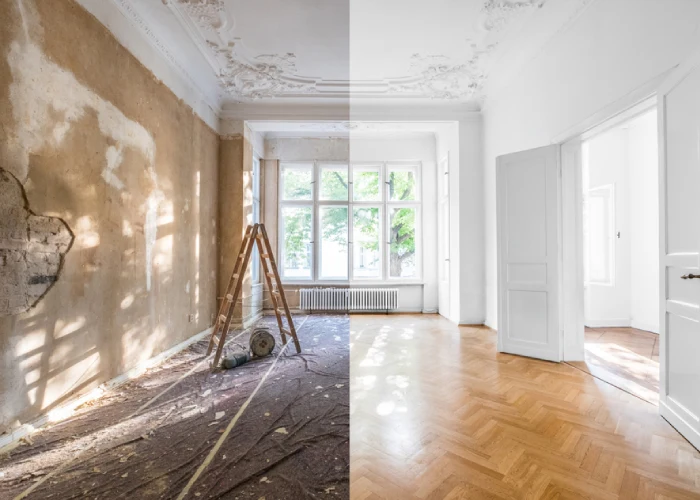
Buying, renovating, and selling a house quickly for a profit can be an excellent way to make a return on your investment. Have you ever considered buying a property to flip in the UK? If so, this guide will walk you through the crucial steps!
Is Property Flipping Right for You?
Before you dive into how to buy property and flip it, you must consider whether this strategy is for you. It can offer significant potential profits, but it also comes with financial risks. Interest rates, the costs involved, and fluctuations in the property market can all impact your profit margins.
Flippers who do well understand renovations, market trends, and budgeting. If you’re new to property flipping, consider working with experienced contractors and estate agents.
It’s also important to be comfortable with the idea of tying up your money in a project for the short term, as property flips typically take anywhere from three to twelve months, depending on the scale of the renovation and market conditions.
How to Find the Right Property to Flip
The key to success is finding a property that offers a profitable return. Try focusing on locations with strong demand and growth potential, such as areas undergoing regeneration or benefiting from infrastructure developments.
Tips for Finding a Property
- Worst House, Best Street: Properties in desirable neighbourhoods that need modernisation.
- Auctions: Repossessed or inherited properties are often sold below market value.
- Estate Agents and Online Platforms: Keep an eye on property listings and build relationships with local agents.
- Off-Market Deals: Some of the best deals come through word-of-mouth or direct contact with motivated sellers.
When evaluating properties, you must consider the purchase price, renovation costs, and potential sale price. Research comparable properties in the area to determine if your flipped property will sell for a higher price.
Budgeting and Understanding the Costs Involved
Budgeting accurately is crucial when planning to buy and flip properties.
Key Costs to Consider:
- Purchase Price: The cost of buying a house will be your biggest expense.
- Stamp Duty: Factor in any applicable taxes.
- Renovation Costs: From cosmetic changes to structural repairs.
- Legal and Survey Fees: Always have a surveyor inspect the property.
- Finance Costs: Interest rates on bridging loans or mortgages can add up.
- Selling Costs: Estate agent fees, legal fees, and marketing expenses.
- Contingency Fund: Setting aside 10-20% of the renovation budget for unexpected expenses.
Try using the 70% rule. This means your purchase price should be no more than 70% of the flipped property’s expected selling price, minus renovation costs.
Financing Your Flip
Significant upfront capital is needed for buying a property to flip. These are the common financing options in the UK:
- Cash: Ideal for those with sufficient funds.
- Bridging Loans: These are short-term loans designed for property developers. However, they usually have higher interest rates, so paying them off early can save you some extra cash.
- Joint Ventures: Partnering with investors to split the costs and the profits of a property flip. Very beneficial if you’re missing the full capital required to finance the purchase and renovation. One investor might provide the funding, while the other one handles the project management and renovation.
 Planning Your Renovation
 Planning Your Renovation
Efficient renovating is a key step for maximising your return on investment. Prioritise improvements that add the most value, such as:
- Kitchens and Bathrooms: Make them look clean, modern, and functional to attract buyers.
- Curb Appeal: A fresh coat of paint, new windows and landscaping can easily transform a home.
- Extensions and Loft Conversions: Add valuable living space.
- Energy Efficiency: Upgrading insulation, windows, and heating systems can make the property more desirable.
Obtain multiple quotes from different contractors to stay on budget and on time. Put a very detailed project plan in place to ensure your renovation and selling process stays on track.
Selling the Property
Once your renovation is complete, it’s time to sell the property. Timing is critical—monitor the property market to identify the best opportunity.
Tips for Selling Quickly for a Profit
Work with a Local Estate Agent: A local agent can advise you on the best asking price because they understand market conditions.
- Stage the Property: Professionally staged homes often sell faster and for a higher price.
- Use Effective Marketing: High-quality photos and well-written descriptions are essential.
- Be Flexible on Viewings: Potential buyers can view the property at convenient times.
Understanding the Risks of Property Flipping
While flipping a house can bring you high returns, it’s not without its risks.
- Market Fluctuations: A decline in the market may reduce your potential profits.
- Unexpected Renovation Costs: Hidden issues such as damp, pest infestation, structural issues, or outdated wiring.
- Extended Timelines: Working with contractors and delays in permits can increase holding costs.
- Financing Challenges: Rising interest rates could be your biggest challenge, as they can impact your overall budget.
Having a contingency fund and carefully managing your budget will reduce these risks.
Buying a property to flip in the UK can be rewarding if approached with careful planning and financial discipline. Focus on finding a property with strong growth potential, understanding the costs involved, and executing renovations efficiently.
Whether you’re new to flipping or not, applying effective strategies can boost your profit margins and maximise your returns.